中文

KANGPUTE ACADEMY

Make membrane decisions from the building assembly—not a product name alone

Buyer-oriented guidance covering moisture direction, layer position, exposure, test data, roll conversion, samples and OEM preparation.

Start with four questions

A useful specification connects the membrane to the climate, substrate, cladding or roof build-up, exposure period and expected service conditions.

1. Where is the layer?

Roof, ventilated facade, timber-frame wall, internal vapor-control side or another industrial laminate.

2. Which way must vapor move?

Decide whether the layer should release water vapor or restrict vapor movement before comparing products.

3. What loads matter?

Review water resistance, tensile and tear behavior, temperature, UV exposure and installation handling.

4. What must be documented?

Request the relevant test methods, declared values, tolerances and sample identification for your market.

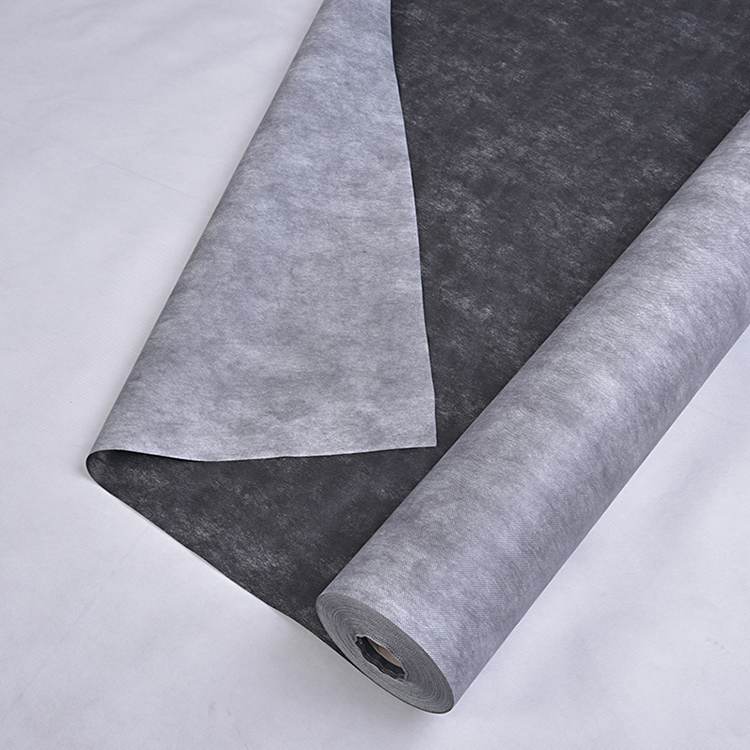
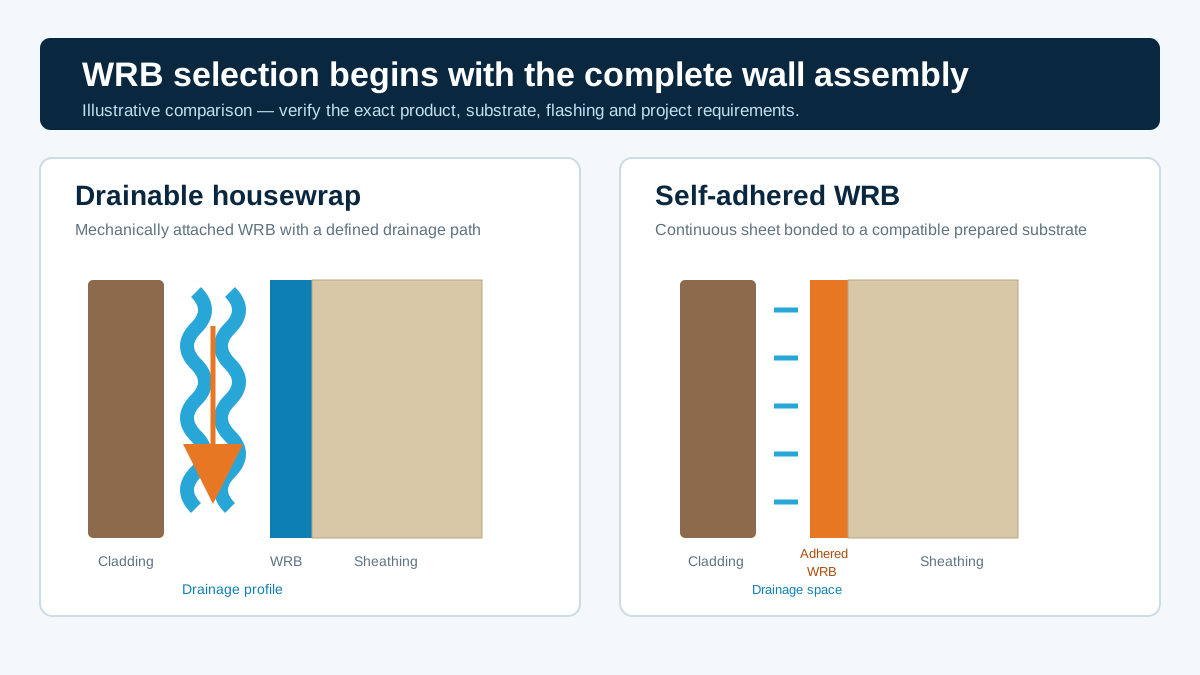
Illustration of a wall assembly using a weather-resistive breathable membrane

Breathable membrane vs. vapor control layer

A waterproof breathable membrane is commonly placed toward the exterior of an insulated assembly. It helps manage wind-driven water while allowing vapor to pass outward, subject to the tested product performance and complete assembly design.

A vapor control layer is generally used on the warm side when the climate and construction require tighter control of inward vapor movement. These layers are not automatically interchangeable.

Open the selection guide →

Specification data worth comparing

Values must be compared using the same test method and conditioning. A higher number is not automatically better for every assembly.

Performance

  • Water resistance or hydrostatic performance
  • Water-vapor transmission or Sd value
  • Tensile, elongation and tear behavior
  • UV and temperature limitations
  • Fire classification when the application requires it

Supply format

  • Basis weight and construction
  • Roll width and length
  • Color, printing and private label
  • Core, wrapping, pallet and container plan
  • Sample version linked to the quotation

Sample-to-OEM workflow

Clear inputs reduce repeated sampling and help production, quality and logistics teams work from the same target.

Application brief

Share assembly, market, performance target, dimensions and annual demand.

Data review

Match test data and construction options; identify claims that still require validation.

Sample confirmation

Evaluate the identified sample and record any print, color or packaging changes.

Production control

Confirm approved specification, tolerances, packing marks and inspection plan before volume production.

About the knowledge source

KANGPUTE Academy adapts practical membrane and nonwoven experience from the KOSITE knowledge base and related manufacturing work. KOSITE is presented as a related Indonesia manufacturing platform where applicable; it is not represented as KANGPUTE's Nantong facility. Product declarations and certificates must be checked against the exact supplied product before use.

Tell us your application, specification and volume.

We will prepare relevant product data, sample options and a quotation discussion.

Start an Inquiry